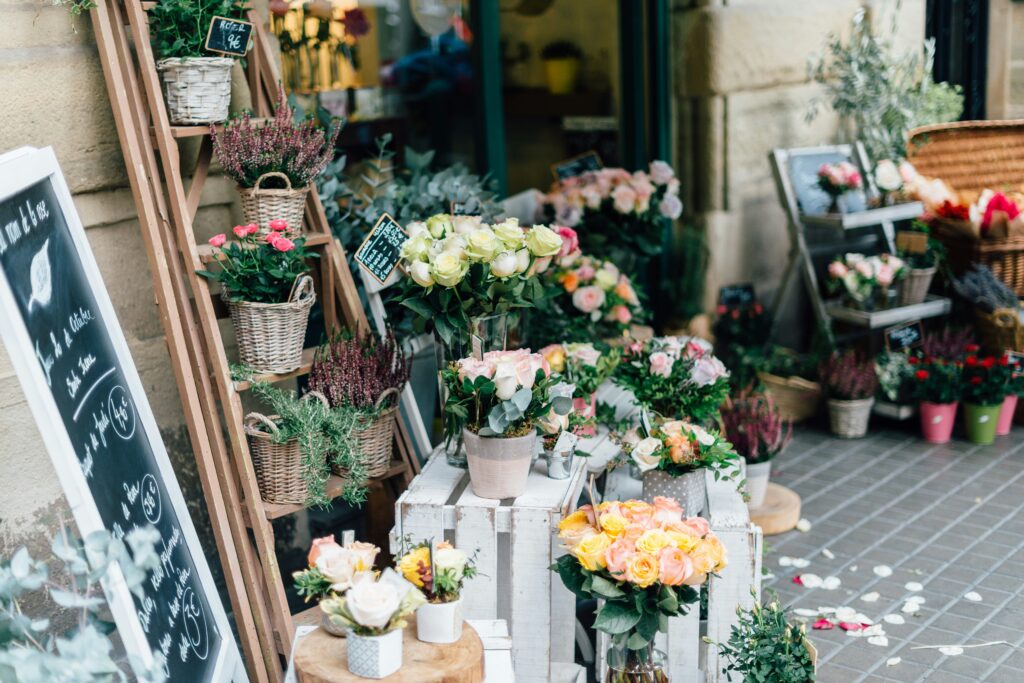
Fresh flowers bring beauty, fragrance, and joy into any home—but in Florida’s hot, humid climate, keeping blooms fresh can feel like a challenge. High temperatures, intense sunlight, and excess moisture can cause flowers to wilt faster than they would in cooler regions. The good news? With the right care and a few Florida-specific tricks, you can significantly extend the life of your fresh flowers.
Whether you’ve received a bouquet from a local florist, picked up blooms from a farmers market, or cut flowers from your own garden, here’s how to make fresh flowers last longer in Florida.
Understand Florida’s Climate (and Why It Matters)
Florida’s subtropical and tropical conditions are both a blessing and a curse for flowers. While many varieties grow beautifully here, cut flowers are more vulnerable once removed from their roots. Heat speeds up water loss, humidity encourages bacterial growth, and direct sunlight can scorch delicate petals.
That’s why flower care in Florida isn’t just about water—it’s about temperature control, cleanliness, and placement.
Start With a Clean Vase (This Is Non-Negotiable)
One of the biggest flower killers—especially in Florida—is bacteria. Warm temperatures allow bacteria to multiply rapidly, clogging stems and preventing flowers from absorbing water.
Before arranging your flowers:
- Wash your vase thoroughly with hot water and dish soap
- Rinse well to remove any residue
- For extra protection, add a splash of white vinegar or a drop of bleach and rinse again
A clean vase can add days to the life of your flowers.
Trim Stems the Right Way
The moment flowers are cut, air enters the stems and begins blocking water absorption. To help your flowers hydrate properly:
- Cut stems at a 45-degree angle
- Use sharp scissors or floral shears (never crush stems)
- Trim at least ½ to 1 inch off the bottom
- If possible, cut stems under running water
In Florida, re-cutting stems every 2–3 days is especially important due to faster bacterial buildup.
Use the Right Water Temperature
This surprises many people, but lukewarm water is best for most fresh flowers. It allows stems to absorb water more efficiently than cold water.
Exceptions:
- Bulb flowers (like tulips and hyacinths) prefer cooler water
- Tropical flowers often like room-temperature water
Avoid hot water, which can shock flowers—especially in an already warm climate.
Flower Food Is Not Optional in Florida
Those little packets of flower food aren’t filler—they’re essential. Flower food contains:
- Sugar to feed blooms
- Acidifiers to balance water pH
- Antibacterial agents to slow bacteria growth
If you don’t have flower food, you can make a simple DIY version:
- 1 teaspoon sugar
- 1 teaspoon lemon juice or vinegar
- 2–3 drops of bleach
- Mix into 1 quart of water
This DIY solution is particularly helpful in Florida, where bacteria thrives faster than in cooler states.
Change the Water Frequently
In Florida, changing the water every 1–2 days is ideal. Each time you change it:
- Rinse the vase
- Remove any fallen petals or leaves
- Re-cut stems if needed
- Add fresh flower food
Cloudy water is a sign of bacteria—and once that happens, flowers decline quickly.
Remove Leaves Below the Waterline
Leaves submerged in water break down rapidly, especially in humid conditions. This creates bacteria that shortens flower life.
Before placing flowers in a vase:
- Strip all leaves that would sit below the waterline
- Check again after a day or two, as stems may shift
This simple step can dramatically improve longevity in Florida homes.
Placement Is Everything
Where you place your flowers matters just as much as how you care for them.
Avoid placing flowers:
- In direct sunlight
- Near windows with intense afternoon heat
- By air conditioning vents
- Near appliances like ovens or refrigerators
- Close to ripening fruit (which releases ethylene gas that causes wilting)
Instead, choose:
- A cool, shaded area
- Indirect light
- A room with consistent temperature
Even in Florida, moving flowers a few feet away from a sunny window can add several days to their life.
Refrigeration Overnight (Yes, Really)
Florists swear by this trick—and it works wonders in Florida.
If you have space:
- Place your flowers in the refrigerator overnight
- Keep them away from fruits and vegetables
- Remove them in the morning before condensation forms
Cool temperatures slow down aging and water loss. Even a few nights in the fridge can noticeably extend freshness.
Choose Flowers That Naturally Last Longer in Florida
Some flowers are better suited to Florida conditions than others. Long-lasting options include:
- Orchids
- Chrysanthemums
- Alstroemeria
- Carnations
- Sunflowers
- Anthuriums
- Birds of Paradise
More delicate flowers like roses, peonies, and tulips can still thrive—but they’ll need extra care in warm, humid environments.
Mist Lightly—But Don’t Overdo It
Light misting can help certain flowers stay hydrated, especially tropical varieties. However, too much moisture can encourage mold in humid Florida air.
Tips:
- Mist petals lightly in the morning
- Avoid soaking flowers
- Skip misting if your home is already very humid
When in doubt, focus more on clean water and proper placement.
Making fresh flowers last longer in Florida takes a little extra attention—but the results are worth it. By keeping vases clean, changing water often, managing heat exposure, and using proper flower food, you can enjoy vibrant, beautiful blooms for days (and sometimes weeks) longer.
Fresh flowers are an investment in beauty and joy. With these Florida-specific tips, you’ll get the most out of every bouquet—no matter how hot it gets outside.